


The casting process is a vital manufacturing method for creating precise metal parts used in industries like automotive, aerospace, and machinery. This article outlines the key steps and requirements of the metal casting, from material selection to final finishing. Explore the detailed stages of the process to understand how high-quality components are produced.
Material Selection in the Casting Process
Selecting the right material is critical in the casting process, as it determines the part’s quality and performance. This stage involves:
- Chemical Analysis: Assessing the material’s composition to ensure it meets design needs for mechanical and physical properties.
- Microstructure Analysis: Examining the material’s internal structure to evaluate its metallurgical properties and phase distribution.
- Mechanical Properties: Testing tensile strength, hardness, toughness, and other properties to confirm the material’s ability to withstand loads.
- Phase Analysis: Identifying material phases to optimize properties like wear resistance or flexibility.
Proper material selection ensures the success of the metal casting.
3D Scanning for Precision
3D scanning enhances the casting process by creating accurate digital models of parts.
- Digital Modeling: Scan data is imported into CAD software for precise 3D model creation.
- Detailed Analysis: Engineers use models to detect design flaws and optimize performance.
This step ensures parts align with specifications in the casting.
Gating and Feeding System Design
A well-designed gating and feeding system is essential in the casting process to ensure uniform molten metal flow.
- Flow Paths: Properly designed channels prevent air entrapment and defects.
- Feeder Size and Placement: Feeders reduce shrinkage cavities and ensure complete mold filling.
- Simulation Software: Tools analyze and optimize gating performance for quality results.
Effective gating improves the efficiency of the metal casting process.

Simulation and Optimization
Simulation is a key step in the casting process, allowing virtual testing of production conditions.
- Defect Identification: Detects issues like porosity or cracking before production.
- Parameter Optimization: Adjusts temperature, flow rate, and solidification time for better quality.
- Cost Efficiency: Minimizes waste and reduces trial-and-error costs.
Simulation enhances the reliability of the casting process.
Defining Requirements and Standards
Setting clear requirements ensures the casting process meets industry standards.
- Quality Criteria: Specifies tolerances, surface quality, and mechanical properties.
- Documentation: Records all specifications for consistent production.
- Industry Standards: Adheres to international guidelines for compatibility.
This step guarantees high-quality outcomes in metal casting.
Modeling for the Casting Process
Modeling involves designing molds and tools for production.
- Mold Materials: Wood for prototypes or metal for mass production.
- High Precision: Ensures molds meet dimensional and surface accuracy requirements.
Accurate modeling is critical for successful casting execution.
Prototyping and Approval
Prototyping tests the design and casting process in real-world conditions.
- Surface Quality: Ensures a smooth, defect-free surface.
- Dimensional Accuracy: Verifies the prototype matches design specifications.
- Mechanical Properties: Confirms strength and hardness meet standards.
- Client Feedback: Approval is required before mass production.
Prototyping validates the metal casting process.
Mass Production Casting
Mass production begins after prototype approval in the casting.
- Material Preparation: Molten metals are prepared with precise compositions.
- Repeatability: Ensures consistent quality across all parts.
- Production Rate Management: Optimizes schedules for efficiency.
This stage scales the casting process for large volumes.
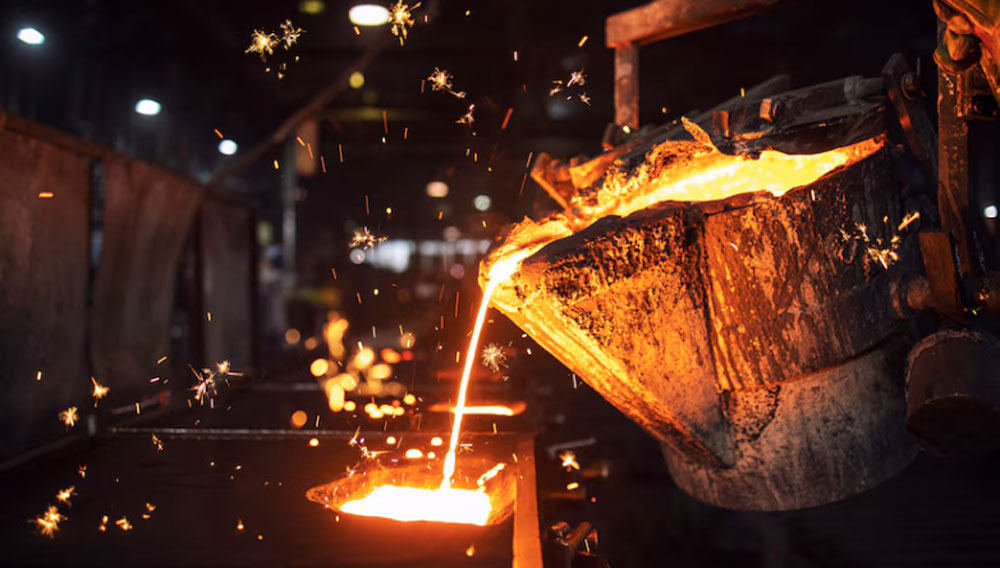
Demolding and Cleaning
After solidification, parts are removed and cleaned in the casting.
- Excess Material Removal: Cuts off runners, risers, and flash.
- Surface Inspection: Checks for visible defects.
- Final Cleaning: Shot blasting or washing removes contaminants.
Cleaning prepares parts for further processing in metal casting.
Quality Control and Inspection
Quality control ensures parts meet specifications in the casting process.
- Non-Destructive Testing (NDT): Ultrasonic or radiographic tests detect internal flaws.
- Precision Measurement: Verifies dimensional tolerances.
- Documentation: Records results for client reference.
Rigorous inspection maintains quality in the casting process.
Heat Treatment
Heat treatment improves part properties in the casting.
- Annealing: Reduces stresses and enhances ductility.
- Hardening: Increases surface hardness and wear resistance.
- Stress Relief: Minimizes production-induced stresses.
This step strengthens parts for demanding applications.
Machining for Precision
Machining refines parts in the casting.
- Cutting: Removes excess material for precise dimensions.
- Polishing: Enhances surface quality.
- High Precision: Ensures final accuracy.
Machining delivers polished components in metal casting.
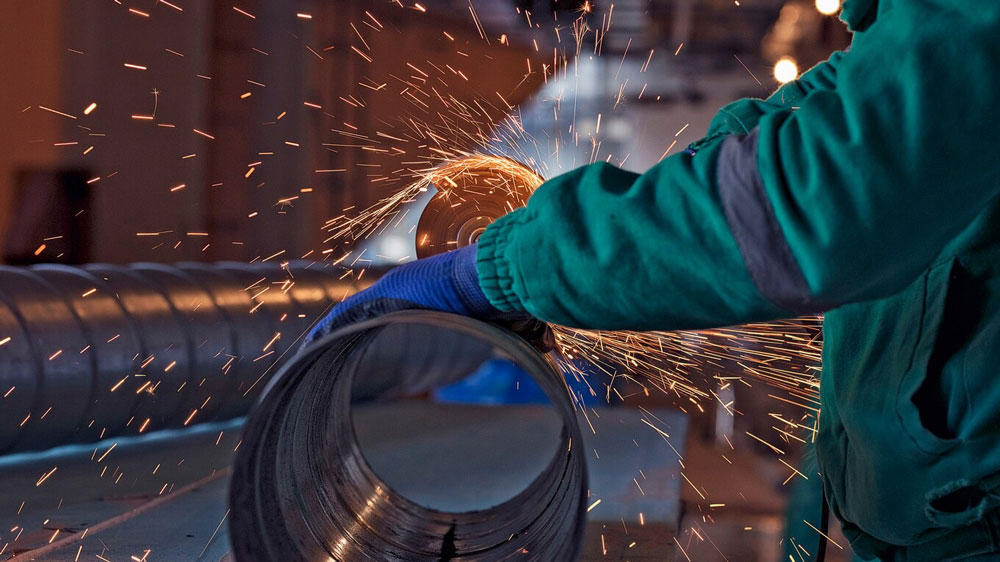
Final Inspection and Finishing
The final stage confirms parts meet all standards in the casting.
- Final Inspection: Verifies dimensions, surface quality, and properties.
- Packaging: Prepares parts for shipment.
- Final Documentation: Records production details.
This ensures client satisfaction in the casting.
Conclusion
The casting process is a complex yet essential method for producing high-quality metal parts. Each step, from material selection to finishing, requires precision and adherence to standards. By leveraging modern technologies like 3D scanning and simulation, the metal process delivers reliable, accurate components for diverse industries.


