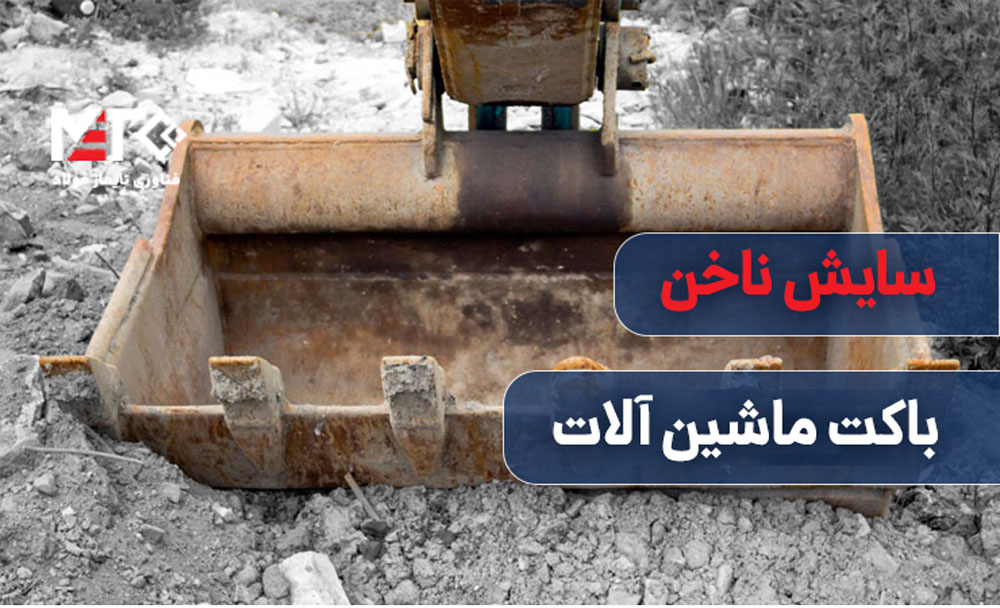
Analysis of Pick and Tooth Wear in Mining Excavation Operations
In mining excavation, wear of cutting picks and teeth is a major driver of efficiency, safety, and operating cost. These tools—often cemented-carbide tipped picks on continuous miners, roadheaders, or related cutting drums—break rock and mineral. As they wear, penetration falls, energy use rises, and unplanned downtime increases. Studies commonly attribute a large share of drilling and cutting cost to tool wear. Taimaz Foolad (Metco) manufactures durable ground-engaging castings and related wear parts for heavy mining and earthmoving fleets.
Wear Mechanisms
- Abrasive wear: hard mineral particles such as quartz scratch and remove tool material; dominant in high-silica rock
- Impact wear: repeated shocks crack and crush tungsten-carbide grains
- Corrosive wear: mine waters and reactive species attack binders such as cobalt and weaken the structure
Circumferential abrasion from simultaneous rotation and penetration can cut deep grooves and cause surface delamination. Hard granite and similar rock can raise wear rates dramatically versus softer seams.
Role of Impact Force
Dynamic loads from weight-on-bit and rotation speed intensify impact wear. Microcracks grow under cyclic shock until the tip fractures. Higher RPM and rate of penetration increase both axial and circumferential damage, especially in continuous coal cutting where duty is nearly uninterrupted.
Force and Wear Estimation
Simple impact relations of the form F = m·a are only a starting point. Production teams more often use finite-element analysis to map stress concentrations. Empirical wear models such as Archard-type relations (wear volume proportional to load and sliding distance, inversely proportional to hardness) help compare tool materials and duty cycles. Field loads of roughly 1000–1400 N side force at modest penetration rates already show how dynamic peaks can exceed static estimates.
Materials, Testing, and Cost Control
Wear-resistant substrates, quality carbide grades, and correct attack geometry extend life. Lab abrasion/impact tests plus mine trials confirm real performance. Because tool wear can dominate cutting cost, optimizing material and replacement intervals protects both budget and productivity.
For mining and construction fleets that also rely on excavator and loader teeth, adapters, and cast wear parts, Taimaz Foolad (Metco) provides GET engineered for abrasive Iranian and regional ground conditions.