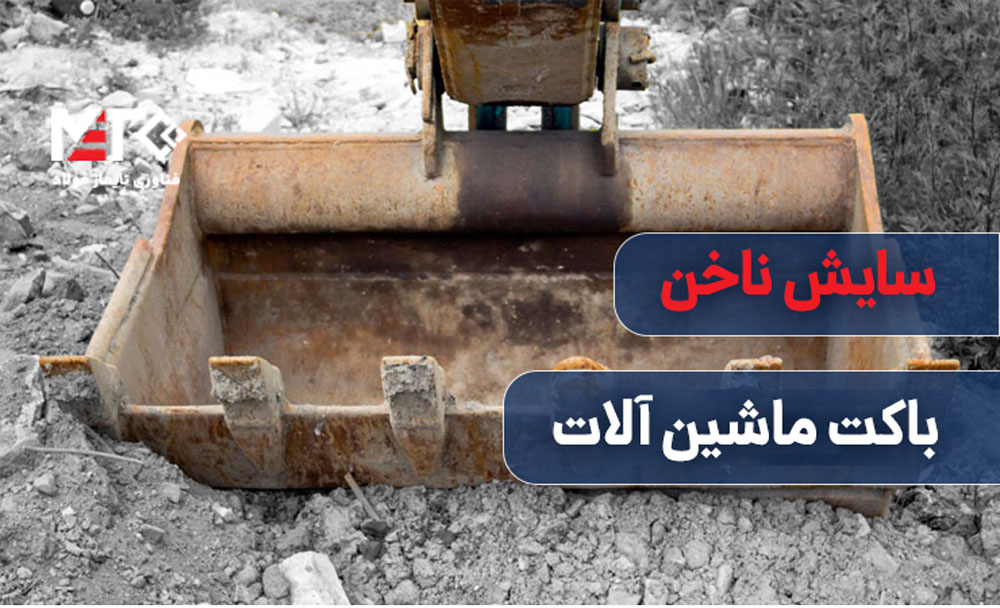
Excavator vs Loader: Which Is Better?
On a building, mining, or road project, choosing the wrong machine between a loader and an excavator can raise schedule, fuel, and maintenance costs. Excavators are built to dig, excavate, trench, and cut from depth. Loaders perform better when material is already on the surface and must be gathered, stockpiled, or loaded into trucks quickly. This article compares the two for earthmoving, mining, truck loading, road work, and civil projects. Taimaz Foolad (Metco) covers related casting and equipment topics for industrial buyers.
Difference at a Glance
| Criterion | Excavator | Loader |
|---|---|---|
| Primary work | Digging, excavation, demolition | Loading, hauling, stockpiling |
| Main tool | Arm, boom, and bucket | Large front bucket |
| Digging power | High | Limited |
| Yard travel speed | Lower | Higher |
| Best workspace | Deep, confined, precise | Open, surface, high volume |
| Common use | Buildings, trenching, hard-rock mines | Sand/gravel mines, truck loading, stockpiles |
They are not full substitutes. Choose by project type, volume, ground conditions, and the actual work needed.
When an Excavator Fits
An excavator has a rotating upper structure, hydraulic boom/arm, and bucket for deep cutting, precise work in a fixed zone, and ground penetration. Typical uses: building excavation, deep earthmoving, water/sewer trenching, demolition, hard rock/soil cutting, road-bed preparation, and mining. Hydraulic breakers expand demolition and hard-ground capability. Crawler excavators suit rough ground, mines, and heavy pits; wheeled units suit urban asphalt work; mini excavators suit tight landscaping and light urban jobs.
When a Loader Fits
A loader uses a large front bucket to pick up, move, stockpile, and load surface materials. It is not designed for deep digging, but it is highly productive on surface volume work—sand and gravel mines, aggregate plants, road projects, industrial yards, truck loading, and debris cleanup. Wheeled loaders dominate Iranian civil and mining yards; crawler loaders appear on soft/muddy ground; mini loaders suit light urban and confined work.
Which Is Better?
| Project condition | Suggested machine | Why |
|---|---|---|
| Building excavation | Excavator | Digging power and precision |
| Sand/gravel mine truck loading | Loader | Large bucket and fast cycles |
| Hard-rock mine primary digging | Excavator (often crawler) | Penetration, breaker work, heavy cutting |
| Surface stockpile handling | Loader | Speed and volume on the surface |
| Trenching / utilities | Excavator | Depth and controlled digging |
In sand/gravel mines, loaders are often the main truck-loading and hopper-feeding machine. In rock mines, excavators usually handle primary digging while loaders support secondary loading and yard moves.
Purchase and Maintenance Cost Notes
Cost depends on brand, model, year, hours, engine/hydraulics health, prior duty, and parts access—not only machine type. Loaders incur high tire, gearbox, differential, axle, and hydraulic costs because they travel and cycle constantly. Crawler excavators avoid tire cost but spend heavily on tracks, rollers, sprockets, pumps, cylinders, and buckets.
Iran Market Snapshot
Both machines appear from Japanese, Korean, European, American, Chinese, and domestic brands—Komatsu, Hyundai, Volvo, Caterpillar, Doosan, XCMG, SANY, SDLG, LiuGong, HEPCO, and others. Parts stock, technician experience, used-market liquidity, year, hours, and technical condition usually matter more than brand fame.
Can They Replace Each Other?
Only partially on simple surface tasks. A loader cannot replace an excavator for excavation, trenching, demolition, or deep cutting. An excavator can load trucks, but usually with a smaller bucket and slower cycle than a loader on continuous aggregate loading.
Summary
Choose an excavator for depth, precision digging, demolition, and hard materials. Choose a loader for fast surface gathering, stockpiling, and truck loading. Many sites need both machines working together.