


Stainless steel is renowned for its strength, aesthetic appeal, and superior corrosion resistance. However, not all stainless steels are identical, with five distinct types and over 150 grades available. This comprehensive guide explores the types of stainless steel, their unique properties, and their applications. Read on to discover everything you need to know about stainless steel!

All about stainless steel
What Is Stainless Steel?
Stainless steel is an alloy containing at least 10.5% chromium, which provides its signature corrosion resistance. Additional elements like nickel, molybdenum, and titanium enhance its properties. For instance, adding molybdenum upgrades grade 304 to grade 316 stainless steel, improving corrosion resistance.
Also known as inox steel, stainless steel is a top engineering alloy due to its ability to resist rust and corrosion. The chromium content (approximately 11%) forms a protective oxide layer on the surface, preventing reactions with oxygen and moisture. Other elements, such as nitrogen, nickel, and molybdenum, are added to:
- Enhance mechanical properties
- Boost corrosion resistance
- Improve high-temperature performance

stainless steel
Lower chromium levels reduce corrosion resistance, making chromium the key element in stainless steel production. This makes it invaluable for industries like:
- Architecture
- Medical equipment

Stainless steels
Key Features and Applications of Stainless Steel
Stainless steel is a versatile, shiny metal often used as an alternative to spotlights and mirrors. It’s easily polished and widely applied in everyday items like refrigerators, dishwashers, and washing machines. Globally, over 20 million tons of stainless steel are consumed annually, with demand growing rapidly.
So, what sets stainless steel apart from regular steel?
- High corrosion resistance due to chromium content
- Superior hardness compared to carbon steel
- Excellent heat resistance
- Outstanding flexibility
- High strength
- Attractive appearance, with options for coloring and patterning
- Low maintenance and exceptional durability
- No need for protective coatings, unlike regular steel

Stainless steel
Exploring the Types of Stainless Steel
Stainless steel is classified into five main types based on chemical and metallurgical composition:
- Ferritic Stainless Steel
- Duplex (Ferritic-Austenitic) Stainless Steel
- Precipitation-Hardening (PH) Stainless Steel
Each type includes various grades with distinct quality, durability, and temperature resistance levels.
Martensitic Stainless Steel
Martensitic stainless steel contains 11% to 18% chromium and about 0.2% carbon, with minimal nickel. It is hardened through heat treatment, offering high strength, hardness, and stress resistance. Its corrosion resistance is moderate, and it’s commonly found in the 400 series grades.
Applications:
- Surgical tools
- Wrenches
- Cutlery
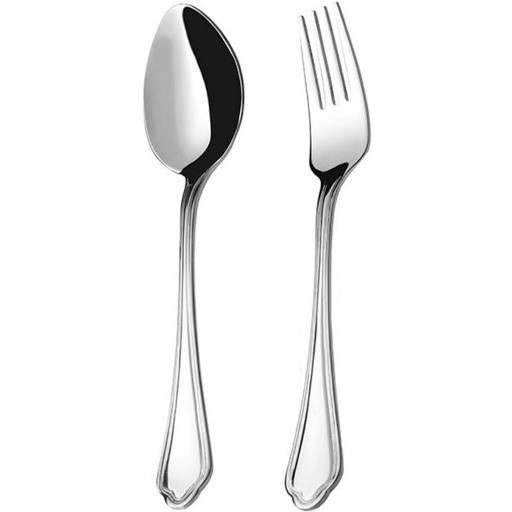
Making spoons and forks with martensitic stainless steel
Ferritic Stainless Steel
Ferritic stainless steel has less than 0.02% carbon, preventing hardening via heat treatment. Instead, it’s hardened through cold working. With 10.5% to 27% chromium and no nickel, its corrosion resistance is lower than austenitic steel. Popular grades include 409, 430, 439, and 441.
Applications:
- Architectural structures

Making cookware with ferritic stainless steel
Austenitic Stainless Steel
Austenitic stainless steel, including grades 304 and 316, contains 16% to 26% chromium and up to 35% nickel. It offers superior corrosion resistance, is non-magnetic, and cannot be hardened by heat treatment. Known for flexibility and high-temperature resistance, grade 304 (18/8) is widely used in:
- Aerospace
- Food industries

Making a sink with austenitic stainless steel
Duplex (Ferritic-Austenitic) Stainless Steel
Duplex stainless steel combines 50% ferritic and 50% austenitic microstructures. Its composition includes:
- 21% to 27% chromium
- 1.35% to 8% nickel
- 0.05% to 3% copper
- 0.05% to 5% molybdenum
Stronger than ferritic or austenitic steel alone, duplex steel is used in:
- Chemical processing
- Storage tanks
- Chemical transport containers
Precipitation-Hardening (PH) Stainless Steel
Precipitation-hardening stainless steel offers high strength and corrosion resistance comparable to grade 304. Its composition includes:
- 15% to 17.5% chromium
- 3% to 5% nickel
- Small amounts of aluminum, copper, and niobium
Applications:
- Long pump shafts
- Valve spindles

Duplex stainless steel
Stainless Steel Grades Explained
Stainless steel types are further divided into grades, determined by metal ratios and properties like toughness, magnetism, and corrosion resistance. The American Iron and Steel Institute (AISI) classifies grades using a three-digit system, with 304 and 316 being prominent examples.
Families vs. Grades:
- Families: Defined by alloy composition
- Grades: Indicate specific characteristics like durability or corrosion resistance
How to Choose the Right Stainless Steel
Selecting the appropriate stainless steel depends on several factors:
1. Operational Environment
Consider the environment’s pH, strength requirements, and toughness. Harsh conditions demand high corrosion resistance.
2. Formability or Weldability
Austenitic (grades 304, 316) and ferritic (grade 430) steels are ideal for formability. Ensure weldability if joining with other metals.
3. Corrosion Resistance
Austenitic steels, especially grade 316, excel in corrosive environments. Martensitic and ferritic steels are cost-effective alternatives.
4. Other Factors
- Strength, formability, and toughness
- Cost and availability
- Magnetic properties
By evaluating these criteria, you can select the best stainless steel for your project.
Metco: Your Trusted Stainless Steel Supplier
For high-quality stainless steel, Taymaz Foolad Technology (METCO brand) offers a wide range of martensitic, ferritic, austenitic, duplex, and precipitation-hardening steels. Serving industries like architecture, automotive, petrochemical, and medical equipment, Metco provides expert manufacturing and supply services. Visit the METCO contact page to place orders or request professional consultation.
Sources:
fa.wikipedia.org ، kloecknermetals.com


